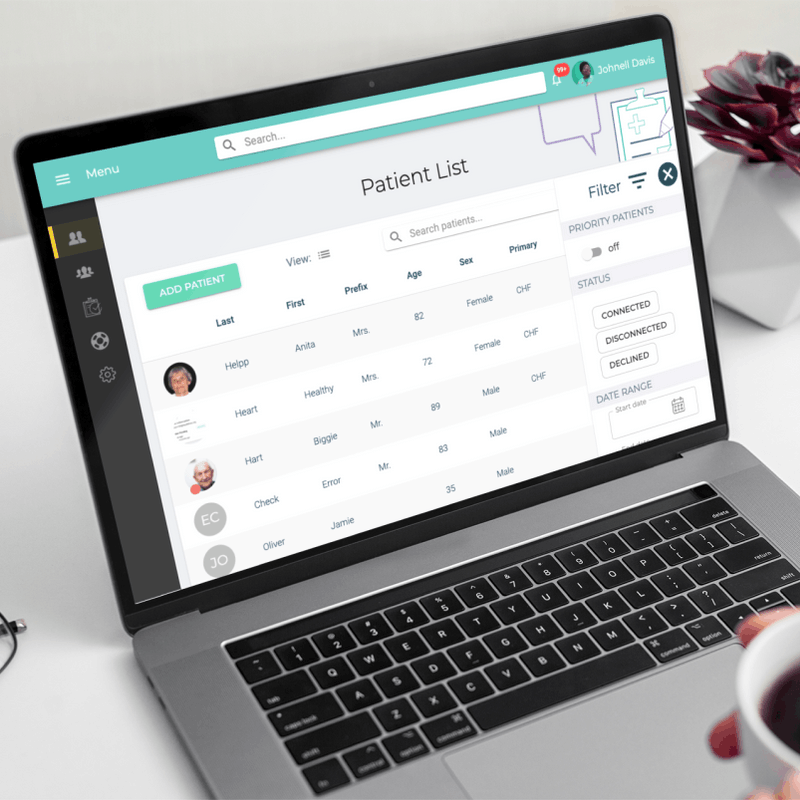

Recurring bugs, escaped defects, no documented test plan.
The client is an enterprise recruitment provider operating across the US, Europe and Asia. The product engineering team was shipping fast — and bugs were slipping past QA into production at a rate that customers were starting to notice.
Three concrete pain points: no documented QA procedures or comprehensive test protocols; recurring bugs and regressions degrading deliverable quality; and late-stage bug discovery by customers, indicating the early-detection mechanism wasn't there.
QA as a process, not as a checkpoint.
Runtime established documented QA processes through internal brainstorming sessions integrating engineering, design, and the customer product owner. Implementation spanned two two-week sprints — detailed test plans, user-story refinement with clearer acceptance criteria, active QA participation in requirements, stand-ups and handoffs.
A dedicated QA environment was set up so testing didn't compete with active development for fixtures and seed data. The QA team didn't sit downstream of engineering — they sat alongside it.
The stack we plugged into.
The client's product was already mid-build when we joined. The tech-stack section here describes what we work with day to day, not what we picked from scratch.



90% fewer bugs, 95% fewer escaped defects.
The numbers landed within months: 90% reduction in bug rates, 95% reduction in escaped defects, 50% decrease in the bug-fix-to-development ratio. The product organisation regained the ability to ship without a dedicated bug-hunting sprint at the end of every release.
Still embedded.
The Runtime sub-team is still embedded with the client's product organisation — Team Leader, fullstack engineers, QA testers and designers running the same release cadence as the in-house team. Team Integration, not vendor handoff.