From a WordPress newsroom to a commerce platform.
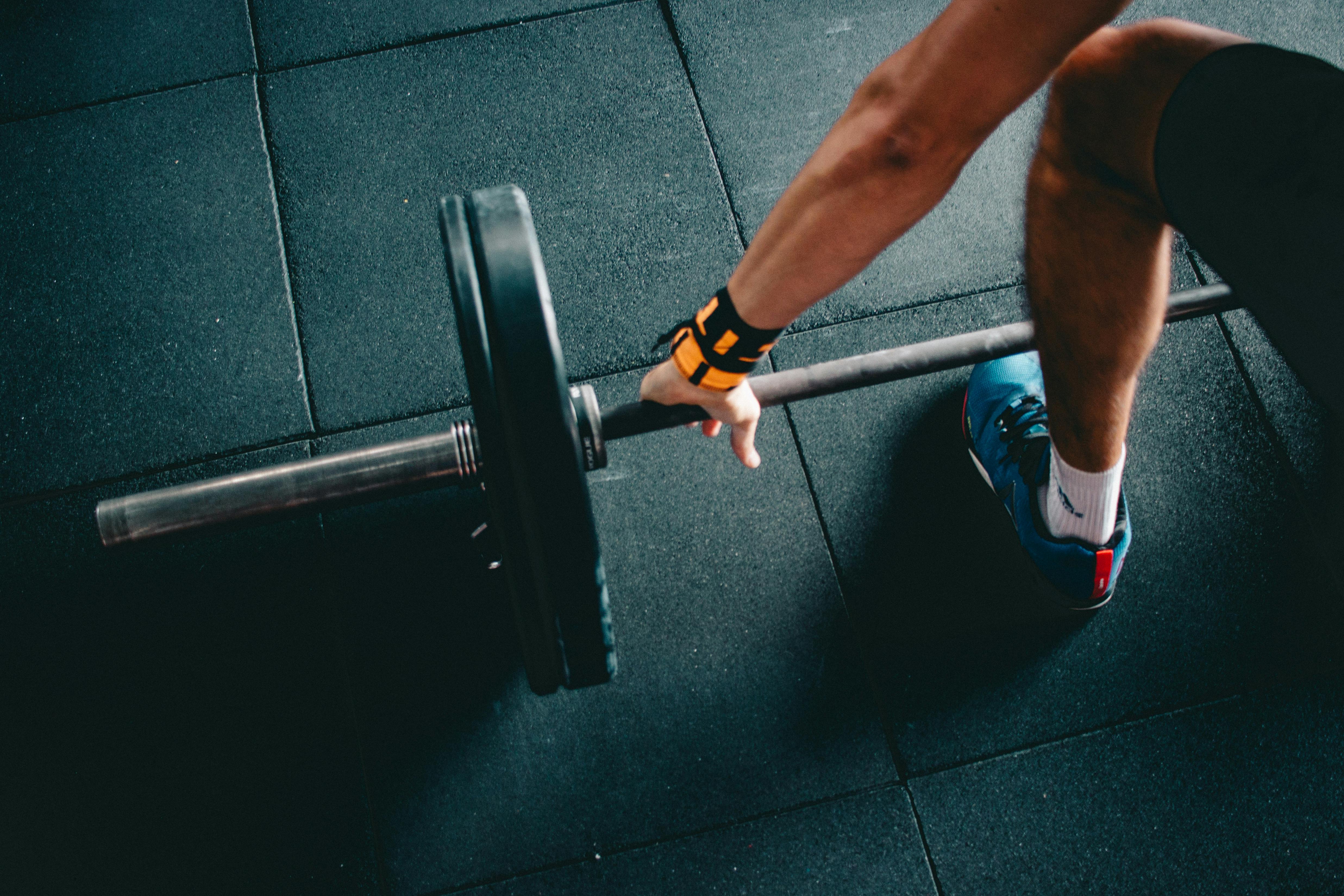
The client is a global fitness and nutrition leader serving athletes worldwide. The site had been running on WordPress and was hitting scaling limits — both the editorial workflow and the e-commerce surface were slowing down faster than the audience was growing.
The brief: migrate the lot to Ruby on Rails, retain the blog and editorial cadence, override the Camaleon CMS commerce plugin, and add native e-commerce — diet templates, coaching products, online payment processing, admin-driven product creation.
Two products, one engineering team.
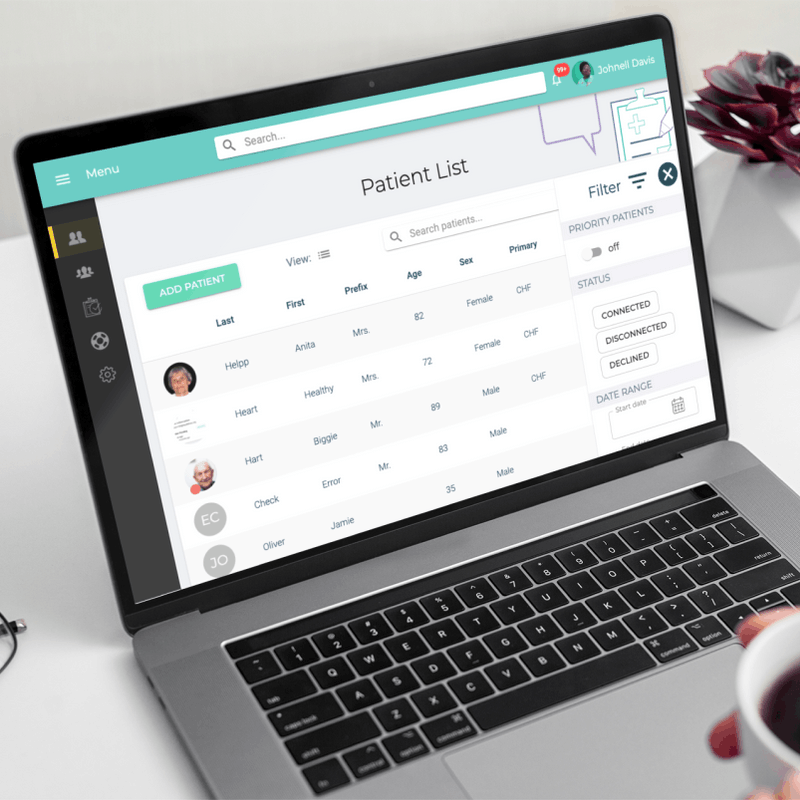
Runtime ran the migration end-to-end. The blog kept its editorial workflow; the commerce surface gained diet template sales, coaching product offerings, blog authorship, payment processing, and admin-side product creation.
The architectural choice — Rails on top of Camaleon — was driven by what the editorial team needed to keep doing, not by what was new. Boring tech, picked on purpose.
A Rails commerce stack on the Camaleon CMS substrate.
The choice of Rails wasn't novel — it was the right substrate for the migration target. Sass and Webpack came in for the asset pipeline; PostgreSQL replaced the WordPress data layer; AWS and React rounded out the stack.





Three years of compound shipping.
The engagement ran from 2018 to 2021. The migration landed; the commerce surface scaled; the blog kept publishing. By the end of the engagement, the platform was the foundation the in-house team would continue building on.
Handed back, still running.
The codebase is theirs; the migration we ran is the substrate every later release sits on. Long engagement, clean handover.