"Faster results, greater business impact."
The brief was direct: redesign the processes that turn raw business data into delivered insight, so the team could deliver faster results and greater business impact to their clients.
That meant going under the hood: ETL pipelines that ran nightly, a relational schema that had grown organically, and back-office tooling that didn't scale with the data volume the product was now handling.
Automated workflows, redesigned schema, real back-office.
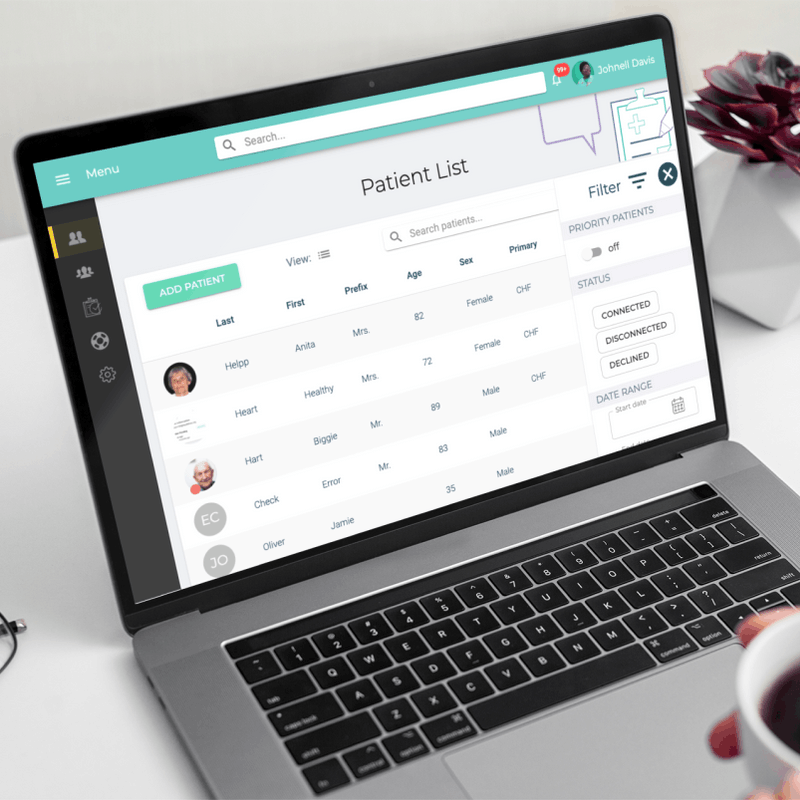
Runtime implemented automated workflow systems for the ETL processes, did a database redesign targeted at the queries the product was actually running, and built administrative back-office tooling so the data team could intervene without engineers in the loop.
The change wasn't dramatic — no big-bang rewrite — but compounded across releases. The team shipped faster every quarter on top of the same product surface.
A data-platform stack tuned for ETL throughput.
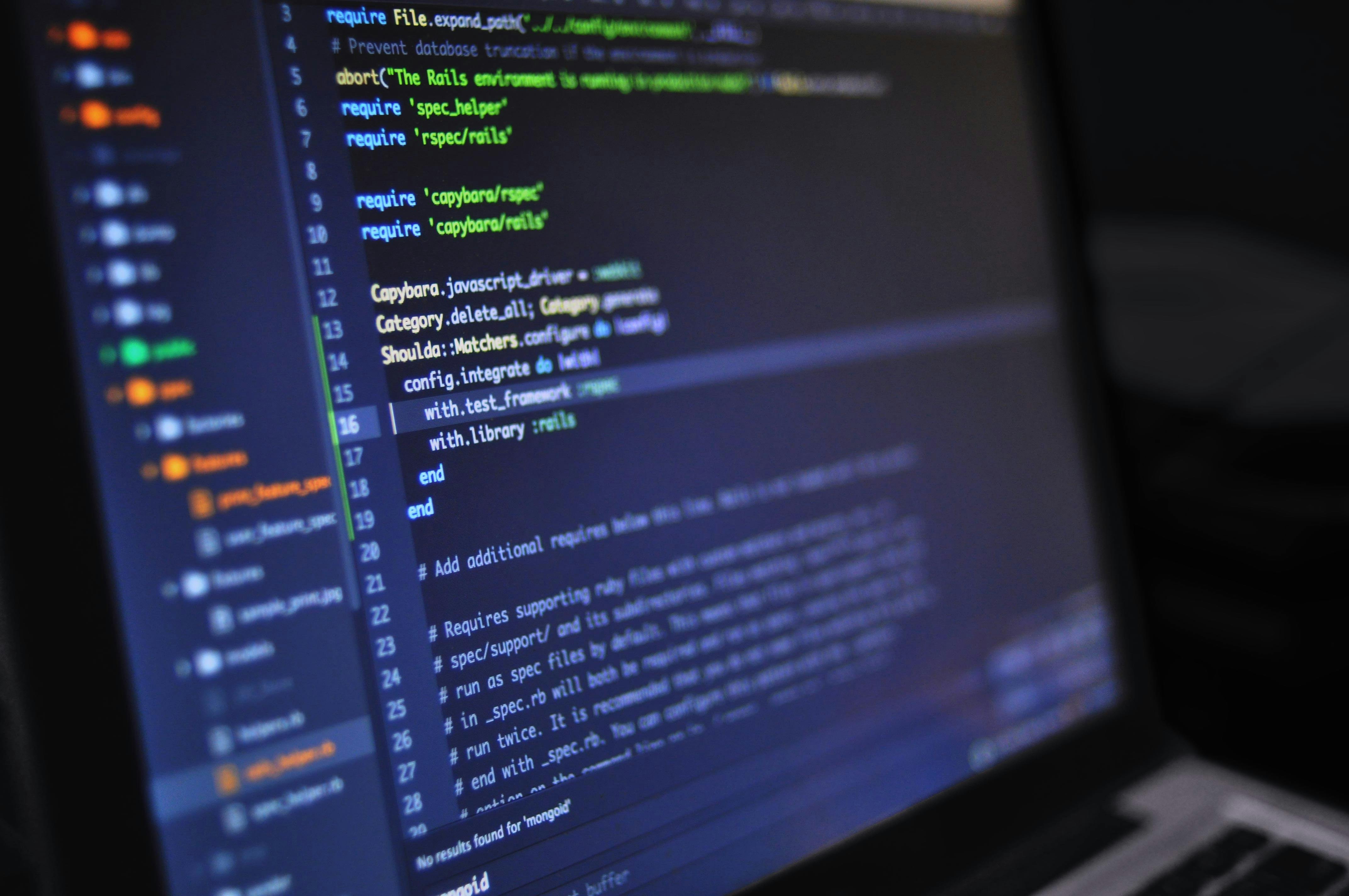
The product is a data product, and the stack is everything you'd expect for it: a Python/Django backend doing the heavy work, a React admin, a relational store, a message broker for the ETL pipelines, and Docker for reproducible deploys.


From slow nightly batch to a workflow-driven platform.
The infrastructure that used to need an engineer every time something hiccupped now runs itself. The data team has back-office levers for the cases that don't fit the model. The schema is healthier than it was when we started.
Still embedded.
One Team Leader, four developers, since 2020. Long engagement, deep domain knowledge. The kind of partnership where every quarter compounds the last.