A game that pulls children into family travel.
The product responded to a real need: parents want to involve children in family travel, and children — given the right hook — will engage. The brief was a mobile experience that puts storytelling at the service of parents and children, with the goal of getting the little ones genuinely involved in the trip.
That meant the game had to feel honest, not gamified. AR features that worked in real-world city contexts. Mechanics that could be picked up by a five-year-old. A shape that supported the pacing of a family holiday.
Building, killing, and redefining the mechanic.
Game design isn't a waterfall. The team had to define core mechanics, reevaluate gameplay approaches, and discontinue ideas that turned out not to land — three things that, in less iterative engineering shops, never happen at all.
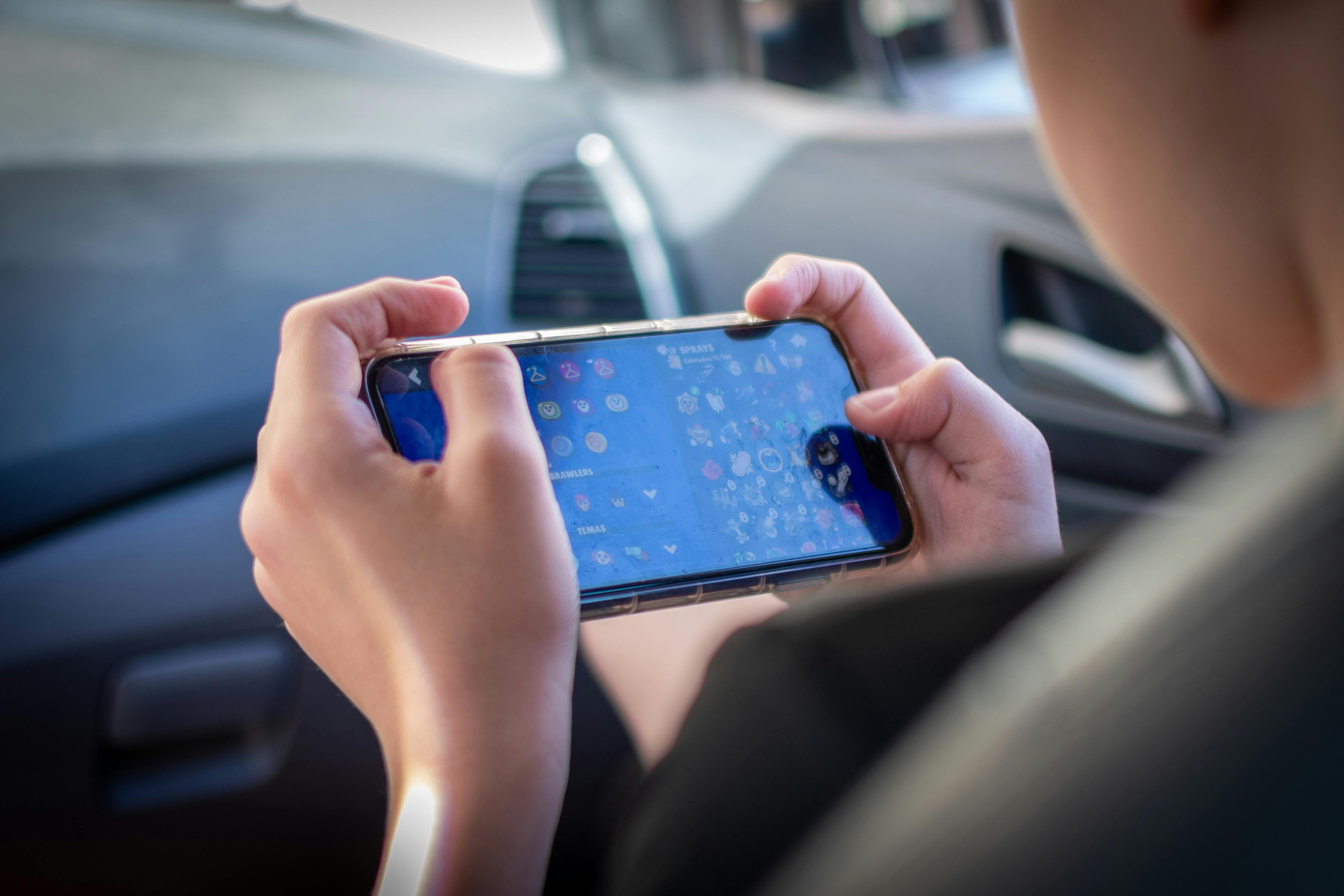
The shipped product included points of interest on a city map, two-dimensional games at each point, augmented reality gameplay, in-app purchases, a photo gallery, and a sticker album that turned the trip into a collectible record.
An iOS-native stack with AR baked in.
Native iOS was the right substrate for the AR features and the polish a children's product needs. SpriteKit handled the 2D gameplay; Firebase took the analytics, auth and content delivery off the engineering team's plate.




iOS-native polish, end-to-end.
The product shipped on iOS, with Firebase handling auth, analytics and content delivery. The game runtime ran on SpriteKit; the rest of the experience used standard UIKit. Boring tech, picked on purpose.
One year of focused build.
The engagement ran 2016 — 2017 with one Team Leader and three developers. Tight timeline, focused scope, native polish. Long engagement isn't always what the brief calls for.